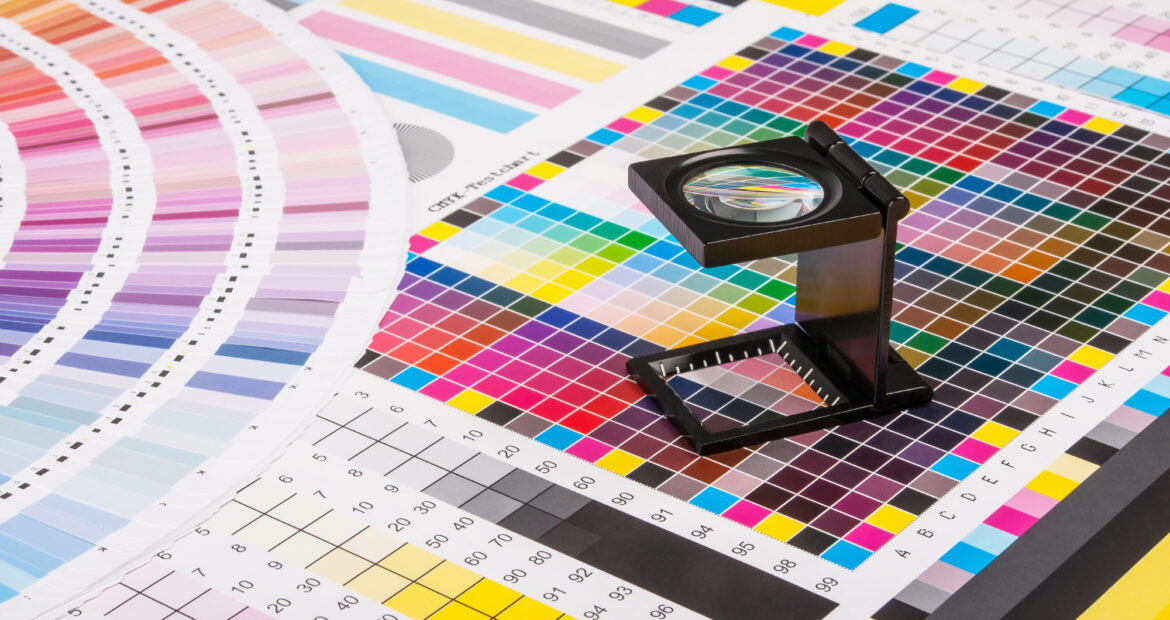
Achieving perfect color accuracy is no longer a luxury when copying or printing; it’s a necessity. Whether you’re producing marketing materials, packaging designs, or high-end photographs, modern imaging equipment must deliver color fidelity that meets and often exceeds expectations. But how exactly do these machines achieve such precision in color reproduction? The answer lies in the integration of advanced technologies that have transformed traditional printers and copiers into cutting-edge devices capable of producing stunning color accuracy.
Here’s a look at some of the key technologies that enable this:
1. Advanced Color Management Systems (CMS)
Color management is the cornerstone of color accuracy in modern copiers and printers. These systems ensure that the colors printed on paper match the colors intended in the digital file. With advances in software and hardware, today’s copiers have sophisticated built-in color management systems that can automatically adjust and calibrate colors.
- ICC Profiles: Modern printers and copiers utilize ICC (International Color Consortium) profiles, which act as standardized instructions for how colors should appear. These profiles are tailored to different media types and printer models, ensuring that colors are consistent regardless of the type of paper or material being printed on.
- Automated Calibration: In the past, color calibration required manual input and constant adjustments. Today’s copiers and printers come equipped with automated color calibration technology, ensuring consistent color accuracy across print jobs. Sensors within the machine measure output and make real-time adjustments to maintain color fidelity throughout the entire print run.
2. Spectrophotometers and Color Sensors
Built-in spectrophotometers and color sensors are another leap forward in color accuracy for modern print devices. These tools measure the color of printed output with incredible precision and can adjust the printing process on the fly to correct any deviations from the target colors.
- Spectrophotometers: These devices measure wavelengths of light reflected from printed materials. They ensure that the colors being printed match exactly with the desired shades in the digital file, adjusting for variables such as lighting conditions, ink levels, and paper type.
- Inline Sensors: High-end copiers and printers now come with inline sensors that monitor color density and consistency across the sheet in real time. This means adjustments are made during printing, not after, which reduces waste and ensures flawless output on every page.
 3. High-Resolution Print Heads and Toner Technology
Print head technology has made massive strides in recent years, allowing modern copiers and printers to place dots of toner with far greater precision than before.
- Microfine Toner: Newer generations of imaging hardware use microfine toners that are smaller and more uniform in size, allowing for smoother gradations, more accurate skin tones, and finer details in images. This high-quality toner can also adhere more evenly to the paper, reducing color discrepancies caused by uneven distribution.
- Multi-Level Printing Technology: With multi-level printing, copiers and printers can go beyond basic color layers to produce subtle variations in tone and color. This technology allows for more gradations and smoother transitions between colors, resulting in images that appear more vibrant and lifelike.
4. LED vs. Laser Printing Technologies
Modern copiers and printers often come equipped with either LED or laser printing technologies, each with its own strengths when it comes to color accuracy.
- LED Printing: LED copiers use thousands of tiny light-emitting diodes to expose the image onto a photoconductor. LED printing is known for its accuracy because the diodes can be controlled with incredible precision, allowing for sharp lines and accurate reproduction of color.
- Laser Printing: Laser printers, on the other hand, use a laser beam to draw the image onto a drum before transferring it to paper. Lasers offer extreme precision in placing toner dots on the paper, which is crucial for achieving high resolution and accurate color reproduction. Today’s advanced laser copiers feature multi-laser systems that further enhance color depth and clarity.
5. AI-Driven Color Correction
Artificial intelligence (AI) is increasingly being integrated into copier technology. AI can analyze the colors in an image and automatically adjust settings to improve color accuracy, contrast, and overall vibrancy. This is particularly useful for complex images, such as photographs or artwork, where multiple hues and fine details need to be reproduced accurately.
- Automatic Image Recognition: Some copiers and printers now come equipped with AI-driven image recognition systems that can distinguish between different types of content, such as text, graphics, or photos, and apply optimal color settings for each. This ensures the best possible output without requiring manual adjustments.
6. High-Performance RIP Software
The Raster Image Processor (RIP) plays a crucial role in translating digital files into a format that a copier can print. Modern RIP software has advanced dramatically, with algorithms that are more effective at managing color data, ensuring that the printer produces the exact hues specified in the original design.
- Improved Image Rendering: Today’s RIPs are capable of handling large, complex files while ensuring that the finest details—such as gradients and halftones—are rendered accurately. Enhanced dithering techniques ensure smoother transitions and avoid color banding, which can significantly affect the quality of printed images.
7. Media Adaptability and Paper Handling
Achieving color accuracy isn’t just about the technology inside the device—it’s also about how well the machine adapts to different types of media. Modern copiers and printers are engineered to adjust automatically for variations in paper type, thickness, and finish, which can all impact how colors appear once printed.
- Automatic Media Detection: Some advanced copiers can detect the type of media loaded into the tray and adjust settings accordingly to ensure optimal color reproduction. This feature reduces the risk of human error when switching between different types of paper, such as gloss, matte, or textured stocks.
In Summary
Modern printing equipment is a marvel of engineering, blending the latest advancements in color management, print head technology, and AI to deliver stunning color accuracy. These innovations allow businesses, designers, and creatives to trust that the printed output will match their vision every time, regardless of the complexity or subtlety of the colors involved.
As these technologies continue to evolve, we can expect even more precision and flexibility in color printing, helping industries push the boundaries of what’s possible in print production. For businesses of all types, investing in these cutting-edge copiers ensures that they stay competitive and meet the ever-growing demands for color-perfect prints.