
on 29 May, 2026
Worried About Running Out of Toner? How Better Supply Management Reduces Costs and Downtime
For many small and mid-sized businesses, printers and copiers are essential tools that support daily operations. Whether processing invoices, printing customer proposals, producing marketing materials, or scanning critical documents, organizations depend on their print infrastructure to remain available and productive. Yet one of the most common frustrations businesses experience has nothing to do with the
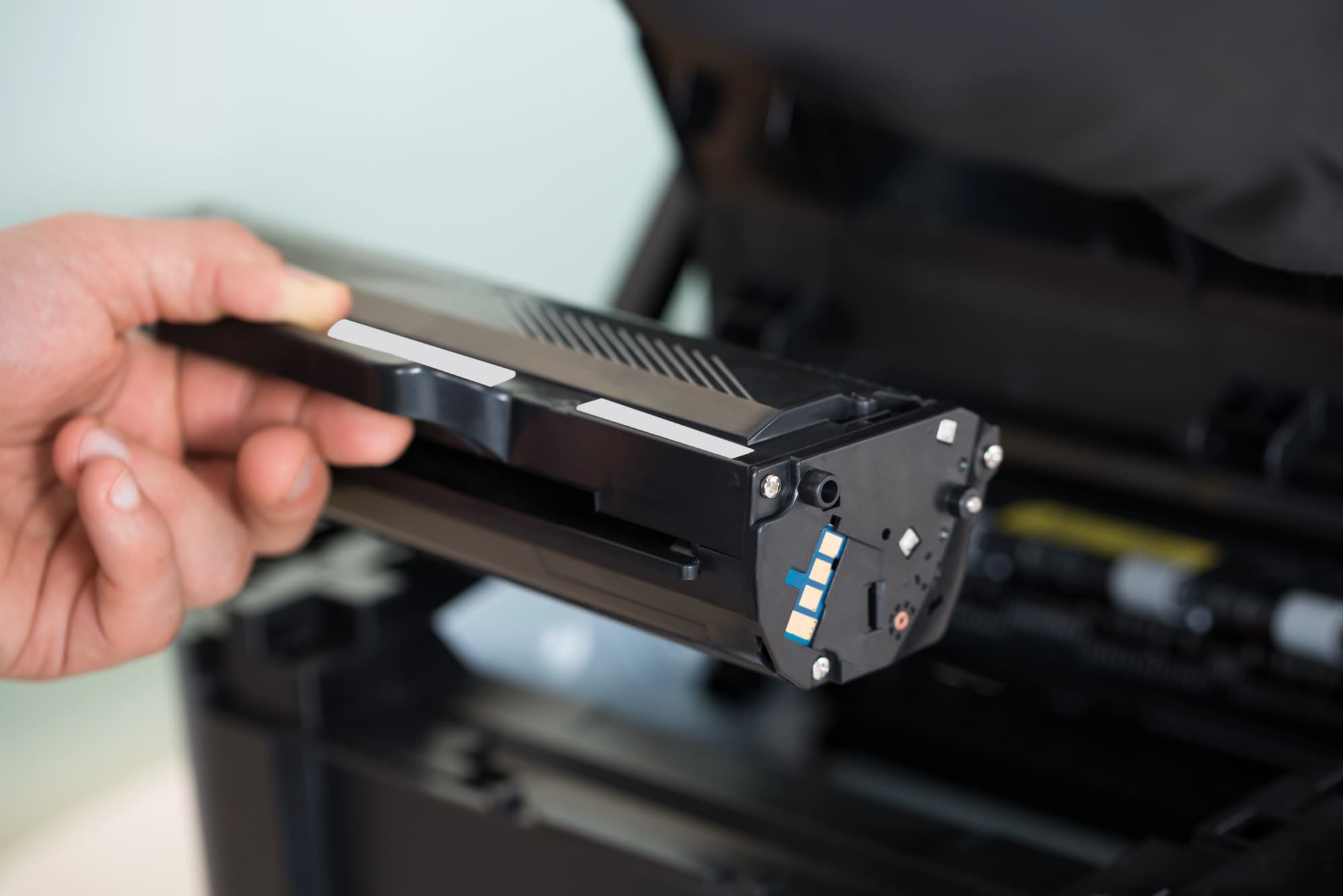
For many small and mid-sized businesses, printers and copiers are essential tools that support daily operations. Whether processing invoices, printing customer proposals, producing marketing materials, or scanning critical documents, organizations depend on their print infrastructure to remain available and productive.
Yet one of the most common frustrations businesses experience has nothing to do with the equipment itself. Instead, it involves the supplies that keep those devices running. Toner shortages, delayed deliveries, excess inventory, and inconsistent ordering processes can create costly disruptions that impact productivity throughout the organization.
While consumables management may seem like a minor operational concern, it often represents one of the most overlooked opportunities for improving efficiency and controlling print-related expenses.
Businesses that develop a proactive approach to supply management can reduce downtime, improve budgeting accuracy, eliminate waste, and create a more reliable printing environment.
Every printer and copier depends on a consistent supply of toner, imaging units, maintenance kits, and other consumable components. When supplies are unavailable, workflows stop immediately. Even brief interruptions can delay customer communications, interrupt accounting processes, postpone document approvals, and frustrate employees attempting to complete routine tasks.
Unfortunately, many organizations continue to manage supplies manually. Employees often discover toner shortages only after a device stops functioning, leading to emergency orders and unnecessary downtime.
Organizations frequently encounter several recurring problems when managing print consumables internally.
The most obvious challenge occurs when supplies run out unexpectedly. Employees may not realize toner levels are low until print quality deteriorates or the device becomes unusable.
Without replacement supplies readily available, productivity can come to a standstill.
To avoid shortages, many businesses purchase excess toner and supplies. While this strategy may appear prudent, it often creates unnecessary costs.
Unused inventory consumes storage space, ties up capital, and may become obsolete if devices are replaced before supplies are used.
Organizations with mixed printer fleets often require multiple toner cartridges, imaging units, and maintenance kits from different manufacturers.
Tracking compatibility and maintaining inventory for numerous device models adds complexity and increases the likelihood of ordering mistakes.
When supplies run out unexpectedly, businesses frequently resort to expedited shipping or local retail purchases at premium prices.
These reactive purchases often cost significantly more than planned procurement strategies.
The financial impact of consumables management extends beyond toner purchases alone.
Organizations must also consider:
These indirect costs frequently exceed the actual price of the supplies themselves.
One of the most effective ways to improve supply management is to understand actual print behavior.
Businesses often discover significant differences in printing activity among departments, users, and locations. Certain devices may consume toner rapidly while others remain lightly utilized.
Analyzing usage patterns enables organizations to forecast needs more accurately and maintain appropriate inventory levels without excessive stockpiling.
Modern print management platforms provide visibility into consumable levels across an entire fleet.
These systems continuously monitor device status and can automatically alert administrators when supplies reach predefined thresholds.
Benefits include:
Automation eliminates much of the guesswork traditionally associated with consumables management.
Businesses can further improve efficiency by consolidating purchasing activities and standardizing devices whenever possible.
A standardized fleet reduces the number of supply types required and simplifies inventory management.
This approach also improves purchasing leverage and can help organizations secure more favorable pricing agreements.
Managed Print Services (MPS) provides a comprehensive solution to consumables management challenges.
Through proactive monitoring and automated replenishment, supplies are delivered when needed without requiring employees to manually track inventory levels.
This model helps organizations:
Rather than managing supplies internally, businesses can focus on serving customers and supporting growth.
DEX Imaging helps businesses eliminate uncertainty from supply management through proactive fleet monitoring and automated replenishment solutions.
By combining advanced technology with expert service support, DEX Imaging helps organizations maintain optimal inventory levels while minimizing downtime and reducing waste.
The result is a more reliable, predictable, and cost-effective print environment.
Consumables management may not receive the same attention as cybersecurity or workflow automation, but it plays a critical role in maintaining business productivity.
Organizations that take a proactive approach to supply management can reduce costs, improve operational efficiency, and avoid unnecessary disruptions.
By implementing monitoring tools, standardizing equipment, and leveraging Managed Print Services, DEX Imaging can help your business transform consumables management from a recurring challenge into a strategic advantage.