
on 9 June, 2023
How To Make Printing More Environmentally Sustainable
As environmental consciousness has grown, the impacts of office printing have also become more evident. Challenges due to the consumption of resources, energy, and generation of waste have often become foremost in the public consciousness despite the need for paper records to be created for many vital business functions. However, there are numerous steps we
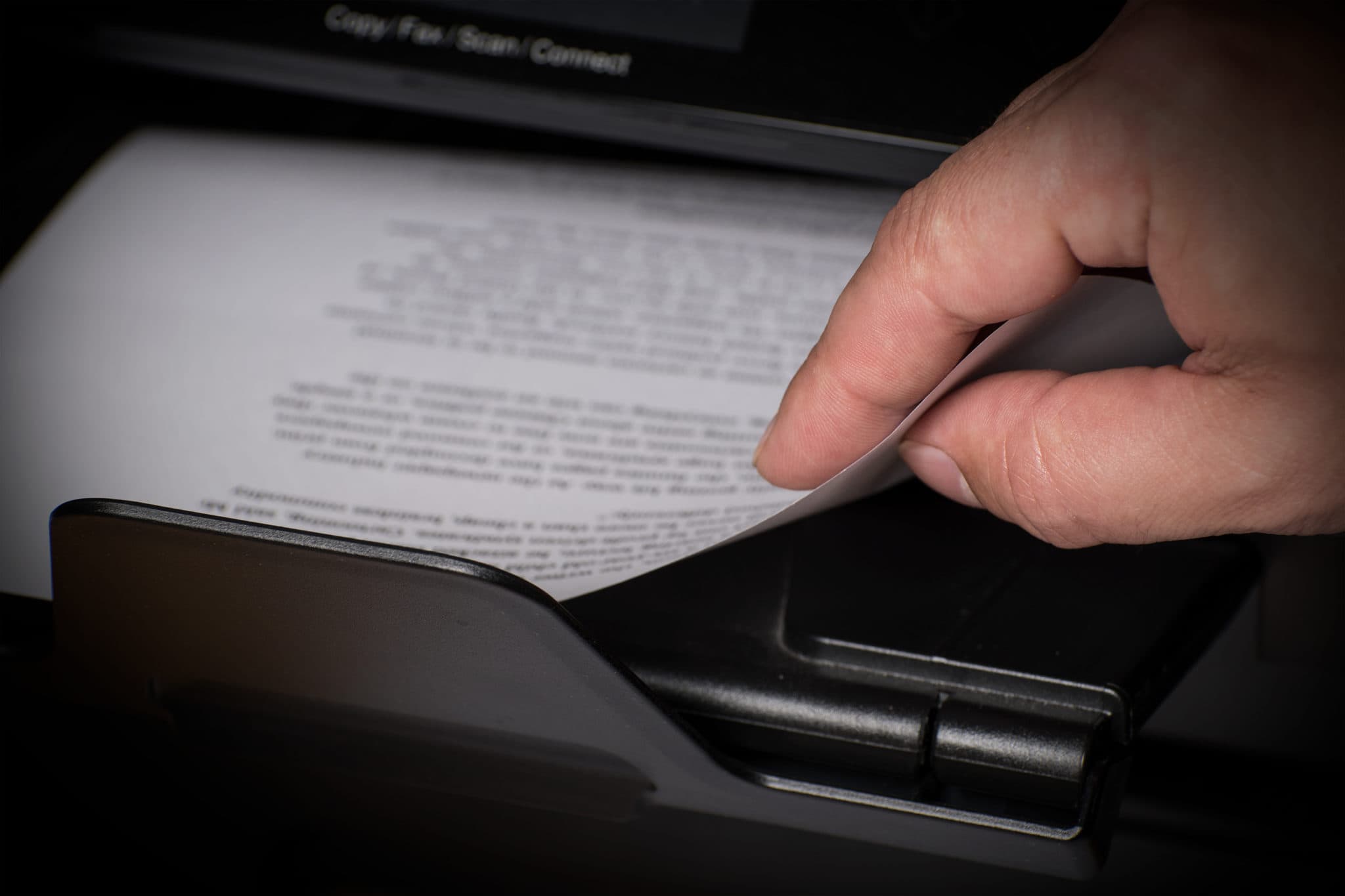
As environmental consciousness has grown, the impacts of office printing have also become more evident. Challenges due to the consumption of resources, energy, and generation of waste have often become foremost in the public consciousness despite the need for paper records to be created for many vital business functions. However, there are numerous steps we can take to make printing more environmentally sustainable and minimize its ecological footprint.
One of the primary ways to achieve this is by reducing paper usage. Embracing digital alternatives such as electronic document sharing, cloud storage, and collaboration tools such as our own DEXDOX™ digital document solution can significantly decrease the need for printing. By encouraging the use of email attachments or online platforms for sharing and reviewing documents, we can eliminate the unnecessary printing of multiple copies. Additionally, utilizing double-sided printing when necessary maximizes paper efficiency and reduces waste.
Responsible paper sourcing is another crucial aspect of sustainable printing. Choosing paper that is certified by recognized organizations like the Forest Stewardship Council (FSC) ensures that it comes from well-managed forests, promoting conservation and biodiversity. By opting for paper with a high percentage of post-consumer recycled content, we can further reduce the demand for virgin pulp, conserve resources, and minimize waste.
Moreover, selecting energy-efficient printers can make a significant difference in reducing the environmental impact of printing. Printers sold by DEX Imaging which feature the ENERGY STAR label consume less energy during operation, contributing to overall energy conservation. By upgrading to these energy-efficient devices, we not only save on electricity costs but also reduce greenhouse gas emissions associated with printing.
Configuring print settings and defaults can also play a vital role in sustainability. By setting default options to double-sided printing and black and white, we encourage resource conservation and minimize color ink usage. Additionally, using draft or eco mode for internal documents or when high-quality printing is unnecessary can save both ink/toner and energy. If you have questions on configuring these settings, contact us below or speak with your representative who can assist you.
Furthermore, responsible management of ink and toner cartridges is crucial for sustainability. Choosing the appropriate print quality for each task reduces ink consumption, and regular cleaning of printheads can prevent clogging and extend their lifespan. Opting for remanufactured or refilled cartridges helps minimize waste by giving these products a second life.
Making printing more environmentally sustainable requires a combination of conscious choices and responsible practices, and DEX Imaging stands ready to assist you. By reducing paper usage, sourcing responsibly, utilizing energy-efficient printers, optimizing print settings, and managing ink and toner wisely, we can significantly reduce the environmental impact of printing. Embracing digital alternatives, promoting awareness, and implementing monitoring systems also contribute to a more sustainable approach.
By adopting these strategies, we can minimize waste, conserve resources, and contribute to a greener future.